When people think about the value of a downtown building, they often think about rent, property values, or the cost of renovations. Those are certainly important, but they tell only part of the story. A building’s true return on investment, or ROI, extends far beyond its owner’s balance sheet. In a healthy downtown, every occupied and well-used building becomes an investment in the entire community.
A thriving downtown works like an ecosystem. Every building, business, resident, employee, and visitor contributes to its health. When one building succeeds, the benefits ripple outward. When a building sits vacant or fails to meet today’s market needs, those opportunities disappear.
Consider two very different fictitious downtown buildings.
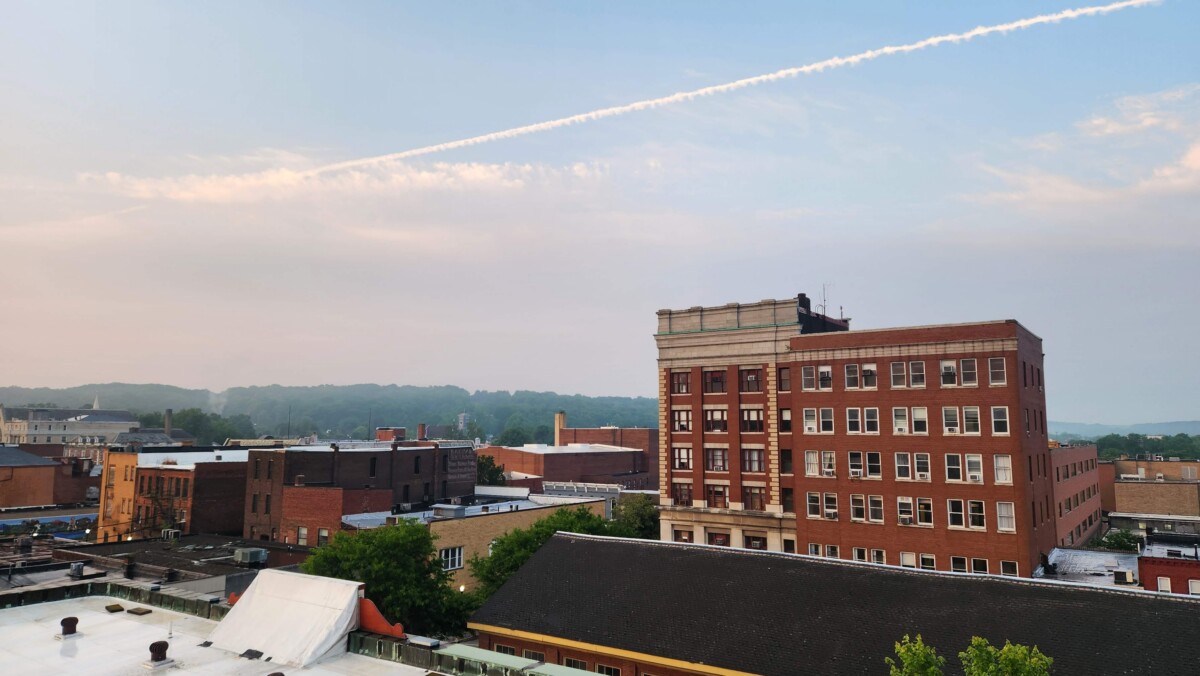
The first is a mixed-use building with apartments on the upper floors and a locally owned business on the ground floor. Every morning, residents walk downstairs for coffee before heading to work. In the evening, they stop at the grocery, grab dinner with friends, or browse a local boutique before going home. They become regular customers, not because they’re tourists, but because downtown is where they live.
Those residents create something every downtown business needs: consistent foot traffic. They are there on Tuesday evenings, rainy Thursdays, and quiet winter weekends. Their everyday spending helps businesses weather slower seasons and provides the stability needed to hire employees, invest in improvements, and stay open.
Now imagine a second building. It has been vacant for years or contains a use that generates little activity. People pass by without stopping. There are no lights in the windows after business hours, no new customers walking the sidewalks, and no reason for neighboring businesses to stay open later. While the property may still exist on paper as an asset, it contributes very little to the economic life of downtown.
The difference between these two buildings illustrates why downtown redevelopment is about much more than restoring old structures. It is about matching buildings with uses that strengthen the surrounding district.
Housing is one of the clearest examples.
Downtown apartments bring people who support restaurants, shops, entertainment venues, and service businesses throughout the week. A resident who spends $20 on lunch, picks up a birthday gift, and enjoys dinner downtown may not think much about those purchases. But multiply that behavior by dozens or even hundreds of residents, and the impact becomes substantial.
That reliable spending also makes downtown more attractive to entrepreneurs considering opening a business. One of the biggest questions any business owner asks is, “Will customers be here?” Occupied buildings help answer that question with confidence by creating a built-in customer base. This aligns with MCRC’s vision of attracting businesses that complement downtown and fill market gaps rather than simply occupying space.
Buildings can also create value through employment. An office building with professional services brings workers downtown every weekday. Those employees buy coffee before work, eat lunch locally, visit the pharmacy, and may even stay after hours to meet friends or attend an event. A single occupied building can support multiple businesses simply by bringing people downtown every day.
Property owners benefit as well. Well-maintained buildings with market-driven uses tend to appreciate in value over time. They attract quality tenants, experience fewer vacancies, and become more desirable investments. Just as importantly, successful projects often encourage neighboring property owners to improve their own buildings, creating a cycle of reinvestment that strengthens the entire district.
Communities across the country have demonstrated that strategic redevelopment creates momentum. One successful mixed-use project often inspires another. Vacant upper floors become apartments. Underused storefronts welcome new businesses. Public spaces become more active because there are more people using them throughout the day and evening.
That momentum cannot be measured solely in dollars. It is reflected in safer streets with more people walking, stronger local businesses, increased community pride, and a downtown where residents choose to spend their time. It also reinforces Meadville’s vision of a downtown built through collective effort, creative energy, and thoughtful investment in places that serve today’s needs while respecting the community’s heritage.
This is why the question is not simply whether a building can be occupied. The better question is whether it is creating value for downtown.
Does it bring people together? Does it generate activity beyond traditional business hours? Does it support local businesses, create housing opportunities, or attract new investment? Does it help downtown become a place where people want to live, work, shop, and gather?
Every successful downtown is built one property at a time. Each thoughtfully redeveloped building becomes another piece of a stronger local economy. Every occupied storefront, renovated apartment, and thriving workplace creates opportunities that extend well beyond its own walls.
When we invest in buildings that meet real market needs, we are not simply improving a property. We are strengthening the future of downtown itself.